OCD & Anxiety Therapy in the Main Line
What We Do…
Your clinician at Bala CBT will work diligently to utilize and combine evidence-based treatments by personalizing it for your own individual needs, stressors, and diagnosis. All of our therapy approaches are goals based and we will tailor your therapy to you to help you meet your personalized therapeutic goals. We strive to create a safe, non-judgmental space for you or your family, and to make your life a whole lot easier!
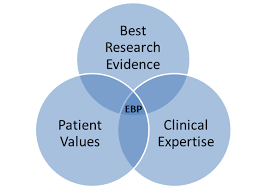
What does “evidence-based” mean?
“Evidence based” means it is supported by scientific study and research. Evidence-based treatments have been carefully researched and proven to be effective and successful in treating the targeted conditions, stressors, and difficulties. This means we value scientific study and we make sure we are using the most effective treatments for you or your loved one.
What does “Psypact Approved Provider” mean?
PSYPACT stands for “Psychology Interjurisdictional Compact, which means we have PSYPACT Authority to Practice Interjurisdictional Telepsychology (APIT). This organization is a governing body that only Licensed Psychologists can be approved. This means we are certified and legally able to provide therapeutic services to clients outside of Pennsylvania in other PSYPACT approved states. If you’re unsure if your state is a PSYPACT approved state, please click the link below or email us to inquire. If we cannot provide tele therapy with you due to your residing state, we will happily help you find another qualified therapist in your location.

Some examples of evidence-based treatment modalities we use:
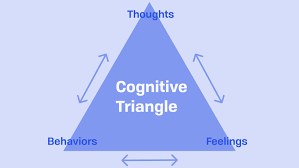
What is Cognitive Behavior Therapy (CBT)?
Cognitive Behavioral Therapy (CBT) is a treatment modality that helps you engage with your thoughts, feelings, and behaviors in a more helpful manner. Research shows that CBT is the most effective treatment for a myriad of mental health difficulties, such as anxiety and related anxiety disorders, OCD, depression, phobias, gastrointestinal issues, chronic pain, and much more.

What is Exposure & Response Prevention (EXRP or ERP)?
Exposure and Response Prevention (EXRP or ERP) is a type of behavior therapy that helps you face your fears by exposing yourself to the thoughts, sensations, and situations that trigger your anxiety and/or obsessions and intrusive thoughts, with the assistance of a therapist who will first provide the necessary skills to do this successfully. Exposure Therapy is not flooding you with anxiety, but doing it in a more manageable way by using a fear hierarchy. We start from the very bottom with the least feared, and slowly build up to the most feared, going at the individual client’s own pace that they set themselves in our therapeutic space.
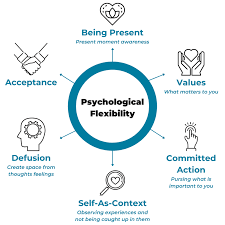
What is Acceptance & Commitment Therapy (ACT)?
Acceptance and Commitment Therapy (ACT) is a newer treatment modality that helps a person live more mindfully, towards their values, with psychological flexibility, radical acceptance, while taking action and making choices towards those values and what’s important to the individual person. ACT helps you treat your thoughts differently by noticing your thoughts instead of being caught up in them, allowing thoughts to come and go instead of holding onto them, and looking at your thoughts rather than from your thoughts.
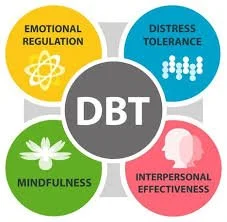
What is Dialectical Behavior Therapy (DBT)?
Dialectical Behavior Therapy (DBT) is a skills-based treatment that focuses on emotional regulation, distress and frustration tolerance, mindfulness, interpersonal effectiveness (improving communication skills and relationships with others). The “dialectical” part of DBT means learning to accept yourself while also changing behavior, and both can occur and be true at the same time.
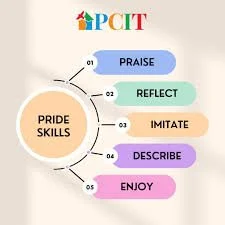
What is Parent-Child Interaction Training (PCIT)?
Parent Child Interaction Training (PCIT) is a skills-based treatment to help improve the relationship between a parent and child and decrease disruptive behaviors in children. It has been typically used with younger children, but we will use concepts of PCIT with older children as well. PCIT focuses on positive communication, cooperation, empathy, and boundaries to improve the relationship between a parent and child.

What is Habit Reversal Training (HRT)?
Habit Reversal Training (HRT) is a cognitive and behavioral modality that combines awareness training with forming an incompatible behavior to the behavior we are aiming to change or decrease. HRT is typically used to help Body Focused Repetitive Behaviors (BFRB’s), such as Trichotillomania (hair pulling), excoriation (skin picking), nail biting, etc.